

Drone lighting for film and TV: lighting night scenes from the air
Sometimes the best place for a light is somewhere no stand or crane can reach: forty metres above a field, out over water, or moving with the action. A drone-mounted light puts a powerful, controllable source exactly there.
What a drone light is good for
- Moonlight and top light over a wide area, without towers in the shot
- A moving source – a searchlight, a passing vehicle or helicopter, light that tracks with a character
- Night landscapes – picking out a tree line, cliff or building far from any power
- Places cranes can’t go – over water, bush or steep ground
- A practical in frame, when the drone itself is part of the story
Our drone light in numbers
| Output | Over 60,000 lux at 1 m |
|---|---|
| Beam | 13° to 30° reflector |
| Colour temperature | 5600K |
| Control | Remote, from around 50 m: brightness, colour temperature and effects |
| Runtime | 25 minutes, with the light at 100% the whole time |
How much light reaches the subject?
Light falls off with the square of the distance, so a rough guide for the beam’s centre is:
| Drone to subject | Approximate illuminance |
|---|---|
| 10 m | about 600 lux |
| 20 m | about 150 lux |
| 30 m | about 65 lux |
| 50 m | about 25 lux |
Worked from the 60,000 lux at 1 m figure. Widening the beam spreads the light and lowers these numbers, so treat them as a starting point and meter on the night.
That’s plenty for a moonlit wide or for picking out a subject in a dark landscape, especially on a modern cinema sensor.
Planning a night shoot with a drone light
- Night approvals. Night flying sits outside the everyday Part 101 rules. Our CAA Part 102 certificate covers night operations.
- A daylight recce. Walk the site in daylight, and mark obstacles, wires and the take-off and landing zone before dark.
- Battery plan. At 25 minutes a flight, plan takes around battery swaps. On location we charge from an EcoFlow Delta Pro 3 power station.
- Wind. A hovering drone holds position well, but gusts show up as a moving light. Calm nights give the steadiest result.
- One conversation with the gaffer and DOP. Agree position, height, beam and intensity before the first take, and who calls the changes.
See it on screen
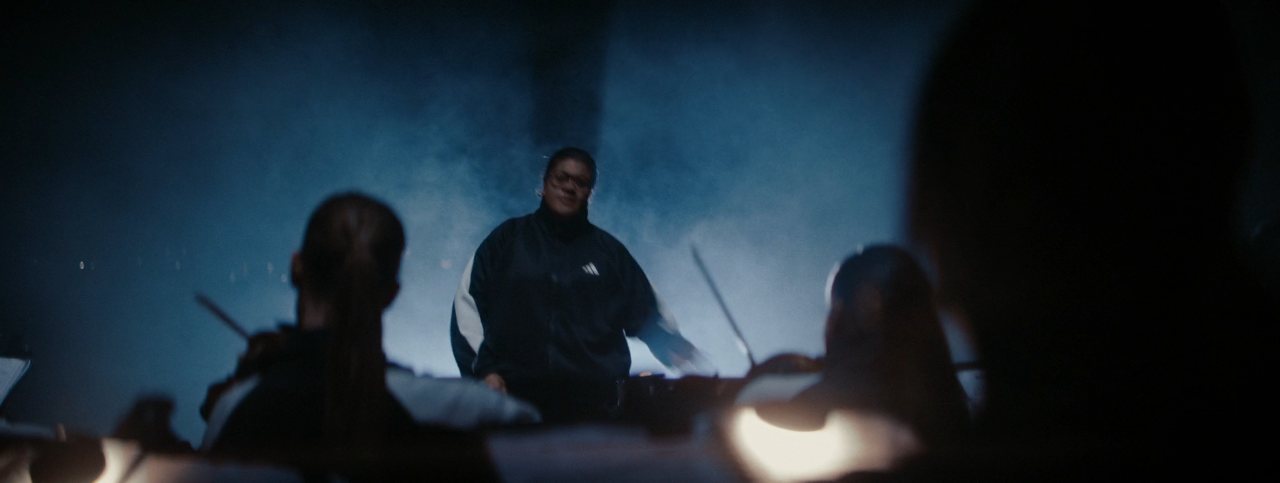
The film on our drone lighting page shows the rig on a real production. As director James Anderson put it: “It just looked so cool! It just felt big, it felt epic, I loved it!” If your night scene needs a light in the sky, get in touch.
Planning a shoot? Tell us about your locations, dates and shots and we’ll come back with ideas and a quote.
Contact Us

